
In this guide
- Quick picks
- What real owners say: the big takeaways
- How we picked
- Comparison table
- Feature-by-feature comparison
- Little Tikes Hide & Seek Climber and Swing
- Step2 Naturally Playful Woodland Climber II
- Little Tikes Rock Climber & Slide
- Buying guide: choosing a toddler climber or playset
- What to put under a toddler climber
- Which climber is right for your toddler?
- Skills toddlers build on a climber
- Safety notes
- Related guides
- Our guides on backyard and winter play
- FAQ
Reader-supported: we may earn a commission from links on this page. Full disclosure
Updated: November 2026 · Researched from manufacturer specs, safety standards and public buyer reviews.
Toddlers love to climb. A small backyard climber gives them a safe place to practice climbing, sliding and balancing at a height that suits their size.
The big choices are size, platform height and features like swings, tunnels and rock walls. Plastic toddler climbers are easy to clean and lower to the ground than wooden swing sets.
Safety note: Place climbers on a soft surface like grass, rubber mats or mulch, never concrete. Follow the age range and weight limits, check for cracks and loose parts, and always supervise. Hot plastic slides can burn skin in direct sun.
Quick picks
Little Tikes Hide & Seek Climber and Swing
Step2 Naturally Playful Woodland Climber II
Little Tikes Rock Climber & Slide
What real owners say: the big takeaways
We read Amazon reviews, parenting forum threads and Reddit discussions. These patterns kept coming up:
- Daily use. Many parents say their toddler plays on it every day.
- Assembly varies. Some sets snap together; others need a drill and an hour.
- Sun fading is common. Colors fade over seasons outdoors.
- Measure your space. Owners often mention these take up more room than expected.
- Indoor use in winter. Smaller climbers work in a playroom or basement.
How we picked
We did not buy or test these products. Here is how we chose them:
- Started with what parents actually buy. Popular toddler climbers on Amazon.
- Checked age ranges and heights. From manufacturer listings.
- Compared features. Slides, swings, tunnels and climbing walls.
- Read the complaints. Patterns about stability, fading and assembly.
- Covered different budgets and sizes.
We'll update this guide as listings and owner feedback change.
What we weighed most. For toddler climbers, we gave the most weight to features that lower fall risk and fit toddler development: low platform heights, guardrails, gentle slides, wide steps, and a labeled age range that starts at toddlerhood. After that came footprint (many yards and playrooms are small), how much each set grows with a child, assembly effort as reported by owners, durability in sun and weather, and how many children can play at once within the maker's weight limits.
Standards and sources. We referred to the Consumer Product Safety Commission's Outdoor Home Playground Safety Handbook for surfacing and spacing guidance, and to maker listings for heights, weight limits and age labels. We did not assemble or measure these playsets ourselves.
How we score: SproutPicks Scores are our own editorial ratings, based on published specs, safety certifications and standards, and patterns across verified owner reviews. We don't hands-on test every product, and these scores are not Amazon ratings. Toy and outdoor-play scores include sub-scores for Safety, Learning Value (skills like balance and coordination) and Durability.
Comparison table
| Playset | Features | Platform height | Age range | Score |
|---|---|---|---|---|
| Little Tikes Hide & Seek Climber and Swing | Slide, swing with 3-point belt, rock wall | 18 in. | Toddler | 8.9/10 |
| Step2 Naturally Playful Woodland Climber II | Slide, rock wall, cargo net-style climbing | Check listing | 2–6 years | 8.7/10 |
| Little Tikes Rock Climber & Slide | Adjustable slide, 2 climbing walls, 3 tunnels | 24 in. | 2–6 years | 8.4/10 |
Feature-by-feature comparison
| Feature | Little Tikes Hide & Seek Climber and Swing | Step2 Woodland Climber II | Little Tikes Rock Climber & Slide |
|---|---|---|---|
| Platform height | 18 in. | Check listing | 24 in. |
| Main features | Slide, belted toddler swing, rock wall | Slide, rock wall, net-style climbing | Adjustable slide, 2 climbing walls, 3 tunnels |
| Ages (per listing) | Toddler | 2–6 years | 2–6 years; up to 3 kids, 60 lb each |
| Indoor use | Yes, per maker | Check listing | Check listing |
| Assembly (owner reports) | Tool-free, quick | Takes a while | Some find it difficult |
| Main owner complaint | Size | Assembly time | Assembly difficulty |
| Best for | Youngest toddlers, swing included | Growing with kids to age 6 | Lots of climbing for multiple kids |
Little Tikes Hide & Seek Climber and Swing
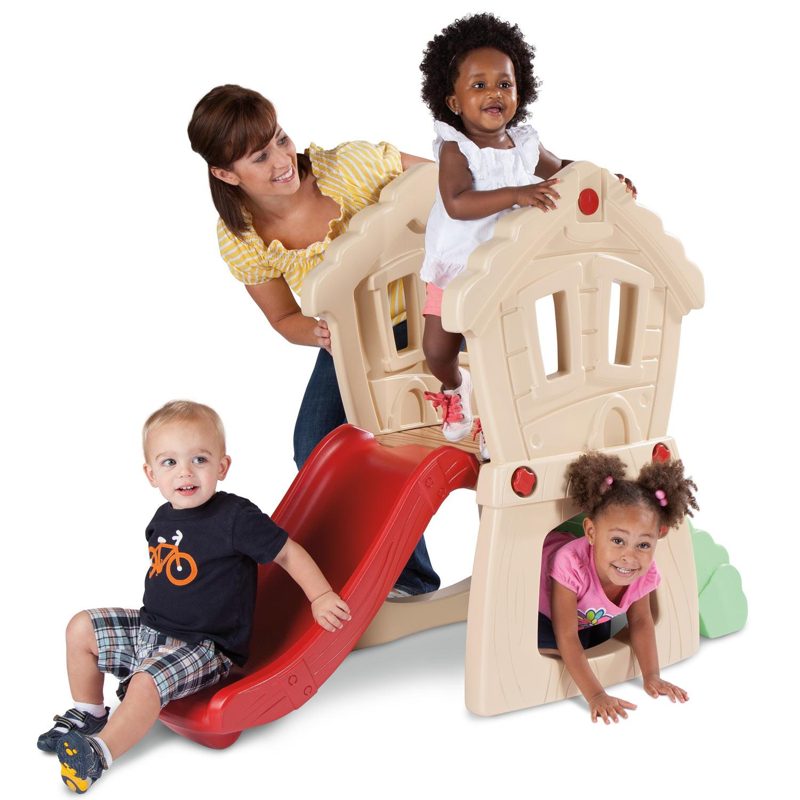 Image: Little Tikes
This compact climber combines a slide, a toddler swing with a three-point safety belt, a rock wall and a platform. Little Tikes says it assembles without tools and lists the platform at 18 inches. It works indoors or outdoors.
- ✓Swing, slide and climbing in one
- ✓No-tool assembly per listing
- ✓Low platform for young toddlers
- ✕Older kids outgrow it quickly
- ✕Takes up floor space
- ✕Plastic fades in sun
Step2 Naturally Playful Woodland Climber II
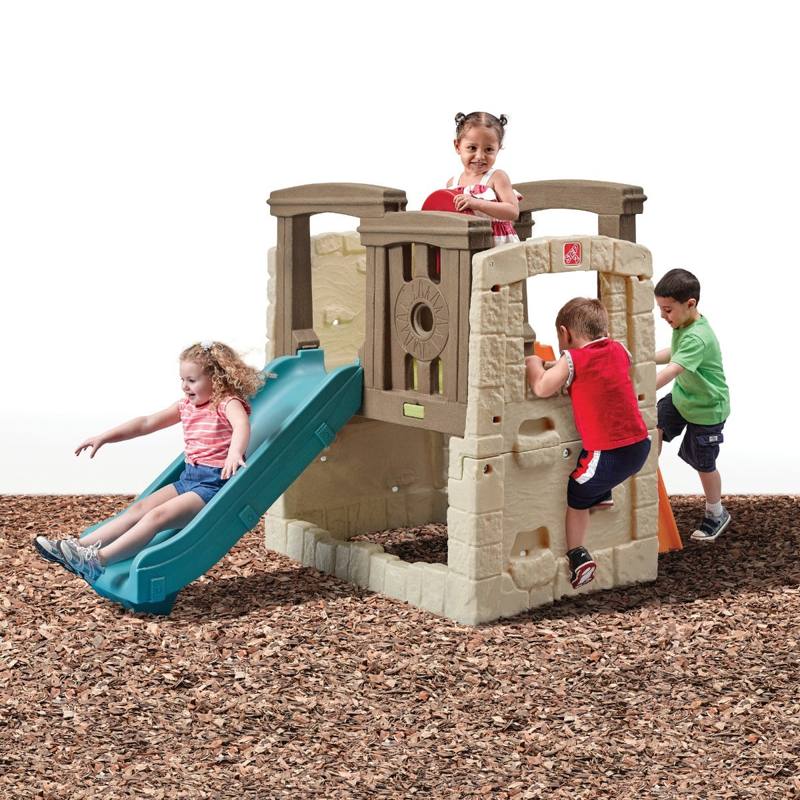 Image: Step2
Step2's Woodland Climber has a natural tree-house look with a slide and climbing features. It's labeled for ages 2 to 6, so it grows with your child longer than smaller climbers.
- ✓Longer age range
- ✓Natural colors blend into the yard
- ✓Sturdy, heavy-duty plastic
- ✕Bigger footprint
- ✕Higher price
- ✕Assembly takes time
Little Tikes Rock Climber & Slide
This climber has a 24-inch platform with safety rails, an adjustable slide, two climbing walls and three crawl-through tunnels, according to Little Tikes. It's labeled for ages 2 to 6, up to 3 kids, 60 lb each.
- ✓Lots of ways to play
- ✓Slide adjusts for younger and older kids
- ✓Fits up to 3 kids
- ✕Taller platform needs closer supervision
- ✕Large footprint
- ✕Some reports of tricky assembly
Buying guide: choosing a toddler climber or playset
1. Match platform height to age
For young toddlers, lower is better. Climbers with platforms around 18 to 24 inches let toddlers practice climbing and sliding with less fall height. Taller wooden swing sets and play towers are usually designed for older children, so check the labeled age range.
2. Measure the space, including the safety zone
The CPSC handbook recommends a use zone of protective surfacing extending at least 6 feet in all directions around stationary play equipment, with more room in front of and behind swings. Measure the equipment's footprint plus that clearance before buying.
3. Plastic vs. wood
Most toddler climbers are molded plastic. It's lightweight, has smooth edges, doesn't splinter, and can often move indoors for winter. Wooden playsets are larger and more permanent, generally suit older kids, and need regular maintenance such as sealing, checking hardware and looking for splinters.
4. Features that grow with your child
Rock walls, tunnels, cargo-net climbing and swings add challenge as children grow. Sets labeled up to age 5 or 6 tend to stay interesting longer. The simplest climbers are often outgrown by 3 or 4.
5. Indoor or outdoor
Some compact climbers are rated for both indoor and outdoor use, which helps in cold or rainy climates. Indoors, you still need soft surfacing, and the set needs space away from furniture and walls.
6. Assembly and anchoring
Owners often mention assembly time. Plan for two adults and follow the maker's instructions, including any anchoring. Stakes or anchors keep a set from shifting or tipping.
7. Weather and sun
Plastic fades and can get hot in direct sun. Slides in particular can heat up quickly. Shade or a partly shaded spot helps.
What to put under a toddler climber
The CPSC's home playground guidance recommends protective surfacing such as wood chips, mulch, sand, pea gravel or shredded rubber, kept at a recommended depth (for example, at least 9 inches of loose-fill material for equipment up to 8 feet high), or rubber safety mats rated for the fall height. It advises against installing play equipment over concrete, asphalt or packed dirt. Grass and turf also wear down and don't provide enough cushioning. Loose fill gets displaced, so rake it back under slide exits and swing areas regularly.
Which climber is right for your toddler?
For the youngest toddlers or a smaller space, the Little Tikes Hide & Seek Climber and Swing packs a low platform, a slide and a belted swing into one set, and owners say it's quick to assemble. If you want a climber that stays interesting through age 6, the Step2 Woodland Climber II is sturdy and has more climbing challenge, but expect a longer build. For more kids at once and more climbing variety, the Little Tikes Rock Climber & Slide offers walls and tunnels, with a 24-inch platform better suited to confident climbers.
Skills toddlers build on a climber
Climbing, crawling through tunnels and sliding help toddlers build gross motor skills such as strength, balance and coordination, along with body awareness and confidence. Let your child set the pace. Toddlers often repeat the same climb many times before trying something new, and that repetition is part of how they learn.
Safety notes
- Supervise actively. Toddlers need an adult within reach on climbers, especially on platforms and ladders.
- Use protective surfacing under and around the set (see above). Most playground injuries come from falls.
- No strings or helmets on play equipment. The CPSC warns that drawstrings, ropes, leashes, jump ropes and bike helmets can cause strangulation on play equipment. Remove hoodie strings and take helmets off before climbing.
- Follow the limits. Stay within the maker's age range, number of children and weight limits.
- Inspect regularly. Look for cracks, sharp edges, loose bolts and faded, brittle plastic, and check stakes or anchors after storms.
- Check hot surfaces. Touch slides and platforms before play on sunny days.
- Check for recalls at CPSC.gov/Recalls.
Related guides
Our guides on backyard and winter play
- Little Tikes Cozy Coupe Review: Classic Ride-On, Real Limits
- Best Kids' Sleds (2026)
- Best Toddler Snowsuits (2026)
Part of our Outdoor Play & Ride-Ons section. Our main guide covers first bikes for toddlers.
FAQ
What age are toddler climbers for? Most are labeled from about 18 months or 2 years. Check each product's range and weight limit.
What should go under a climber? Grass, rubber mats, wood chips or other soft surfacing. Avoid concrete and asphalt.
Can they be used indoors? Many small plastic climbers can, which is handy in winter. Check ceiling height and add mats.
How do I keep it in good shape? Wipe it down, store small parts in winter if possible, and check for cracks every season.
Can I put a climber on grass? The CPSC advises against relying on grass or dirt, because they don't cushion falls well, especially once worn down. Add loose-fill surfacing or rated safety mats under and around the set.
How much space does a toddler climber need? Take the set's footprint and add a clear zone of about 6 feet on all sides, per CPSC guidance, with more space for swings.
Plastic or wooden playset for a 2-year-old? Plastic climbers are generally better for young toddlers, with low platforms, rounded edges and smaller footprints. Wooden swing sets are usually designed for older children.
How do I clean a plastic climber? Mild soap, water and a soft brush usually work. Avoid harsh solvents, which can weaken plastic, and rinse well.
Can toddlers use the swing on their own? Toddler swings should have a bucket or belted seat, and an adult should push and supervise. Keep other children out of the swing's path.
Should I anchor a plastic climber? If the maker includes stakes or anchors, use them, especially outdoors in wind. Anchoring keeps the set from shifting during active play.
More in Outdoor Play & Ride-Ons
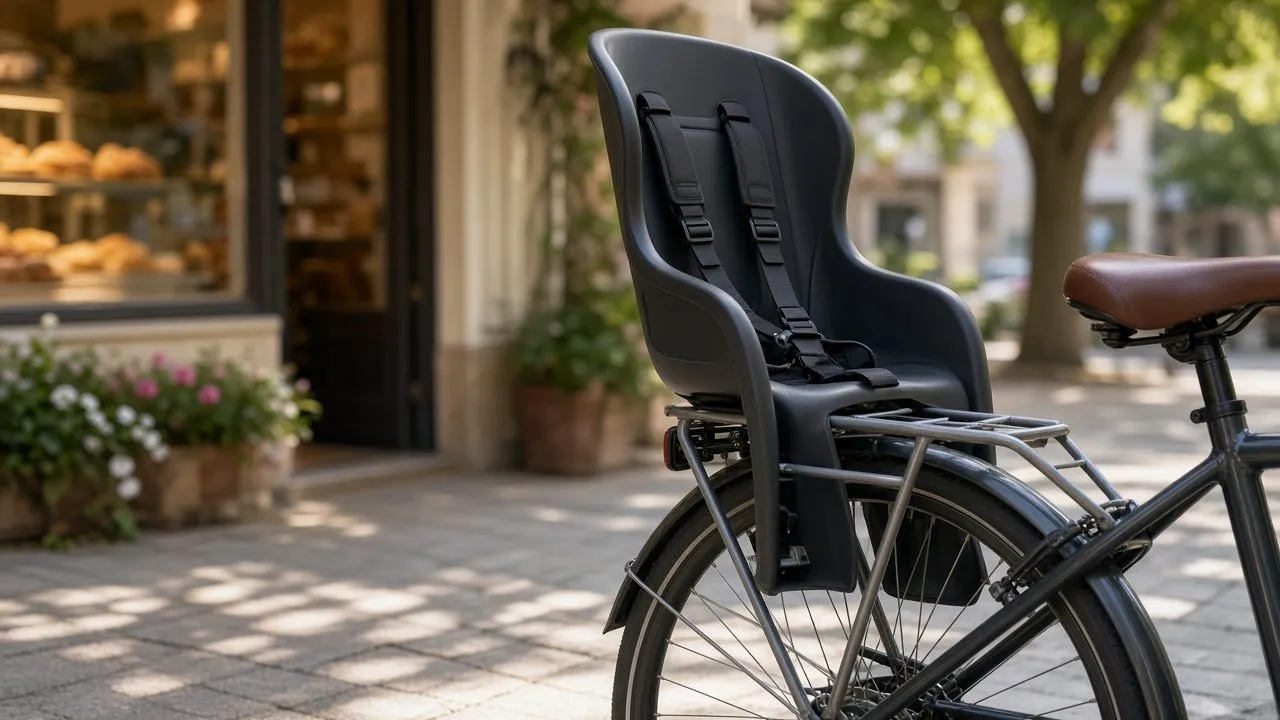
Thule Yepp Nexxt 2 Maxi Review: Rear Bike Seat Fit and Rack
Thule Yepp Nexxt 2 Maxi review: a rack-mount rear bike seat with magnetic buckle. Rack fit and leg clearance tips. Research-based, not…
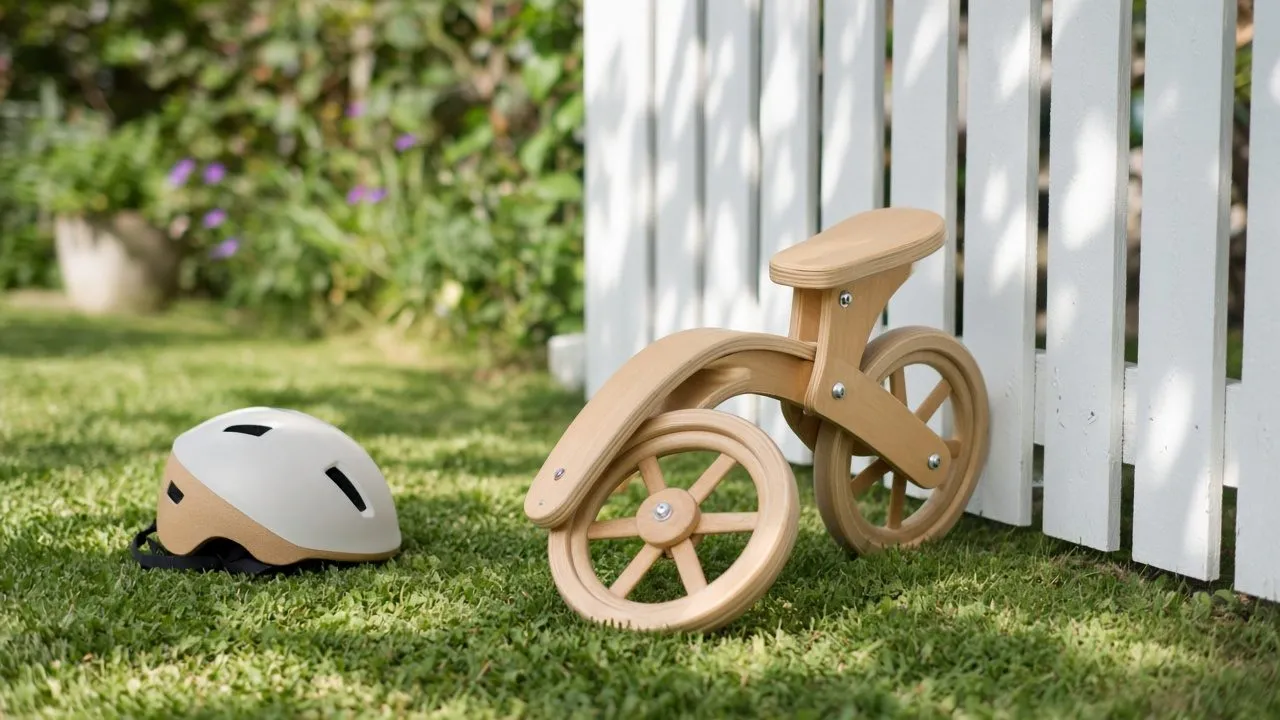
Wishbone 3-in-1 Review: Trike-to-Balance-Bike From Age 1
Wishbone 3-in-1 review: a wooden trike that converts to a balance bike from age 1 to preschool. Worth the cost? Research-based, not tested.
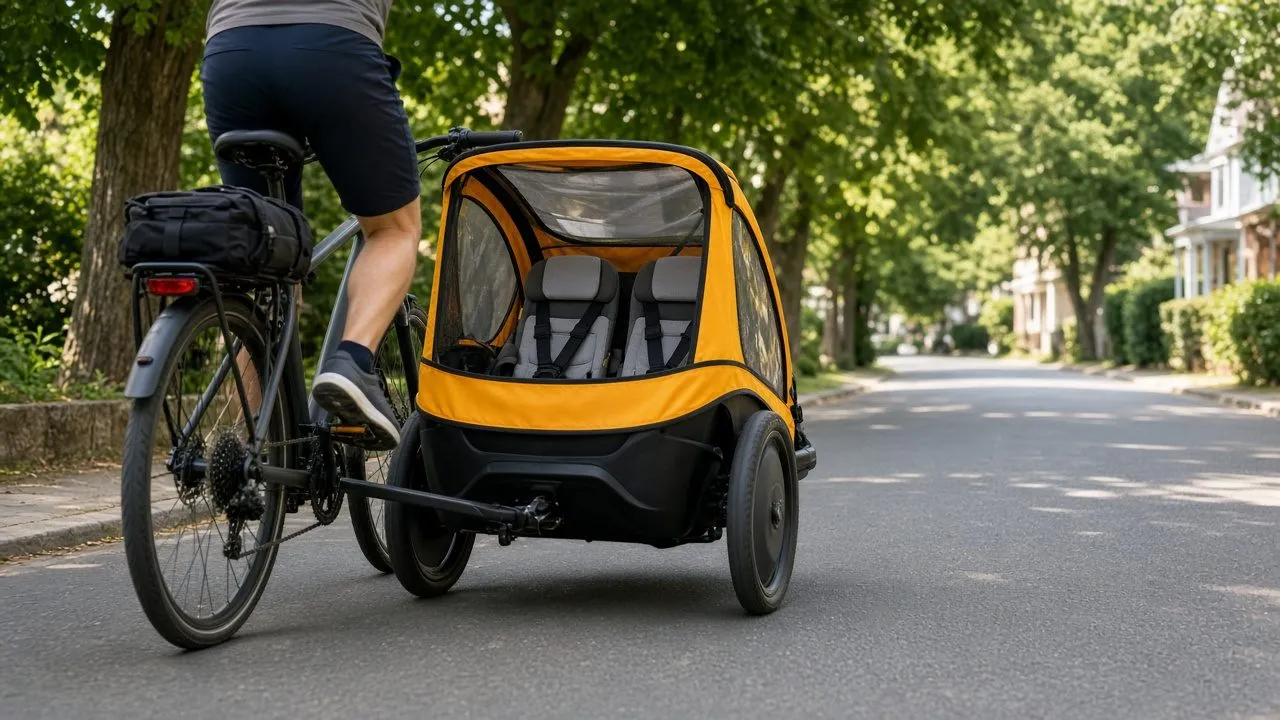
Burley Bee Bike Trailer Review: Simple, Safe Basics
Burley Bee review: a simple, safe double bike trailer for bike paths, without jogging or stroller modes. Research-based, not tested.