
In this guide
- Quick picks
- What real owners say: the big takeaways
- How we picked
- Comparison table
- Feature-by-feature comparison
- Lovevery Play Kits
- KiwiCo Panda Crate
- KiwiCo Koala Crate
- Little Passports Early Explorers
- Little Passports Science Junior
- FAQ
- Buying guide: choosing a kids' subscription box
- Tips to get the most from a subscription box
- Which subscription is right for your child?
- Safety notes
- Related reviews
Reader-supported: we may earn a commission from links on this page. Full disclosure
Updated: November 2026 · Researched from manufacturer specs, safety standards and public buyer reviews.
A toy or activity subscription takes the guesswork out of "what should we play with next?" Each box arrives matched to your child's age, usually with a theme, the materials and simple instructions.
The trade-off is cost and clutter. Subscriptions add up over a year, and not every box will be a hit. Below are five popular options for babies through early grade school, with the age ranges and delivery schedules each company publishes.
Before you subscribe: Check the renewal terms, how to skip or pause, and how to cancel. Most of these plans renew automatically until you cancel. Delivery schedules and prices change, so confirm on the company's site.
Quick picks
Lovevery Play Kits
- Ages (per company)
- 0–4
KiwiCo Panda Crate
- Ages (per company)
- 0–36 months
KiwiCo Koala Crate
- Ages (per company)
- 3–6
Little Passports Early Explorers
- Ages (per company)
- 3–5
Little Passports Science Junior
- Ages (per company)
- 5–8

What real owners say: the big takeaways
We read Amazon reviews, parenting forum threads and Reddit discussions. These patterns kept coming up:
- Age-matching is the main draw. Parents like not having to research what's right for each stage.
- Quality varies by company and month. Even fans of a service usually say some boxes are bigger hits than others.
- Clutter is a real concern. Toy-heavy kits pile up, while craft boxes get used up.
- Cancelling should be easy, but check first. Some reviewers report frustration with auto-renewals, so set a reminder.
- Grandparent gifts are a popular use. Many families buy prepaid plans as gifts instead of more one-off toys.
How we picked
We did not buy or test these products. Here is how we chose them:
- Started with the best-known brands. We looked at the most popular kids' toy and activity subscriptions in the US.
- Read each company's plan pages. We pulled age ranges and delivery schedules from the companies' own sites.
- Read customer reviews and parent forums. We looked for patterns in praise and complaints.
- Covered different ages and interests. Babies, toddlers and preschoolers, plus crafts, science and geography.
We'll update this guide as listings and owner feedback change.
What we weighed most. A subscription box should deliver age-appropriate play your child actually uses, and it should be easy to pause or cancel. We gave the most weight to how well each box matches developmental stages (as the maker describes it), the quality and reusability of the contents according to owner reports, guidance for parents (play guides, instructions), and delivery frequency. After that came cost per box, flexibility (skipping, pausing, gifting), storage burden, and how well each line grows with your child.
Sources. Ages and delivery schedules come from maker sites and can change. Check current pricing and terms before subscribing. We did not subscribe to or receive these boxes ourselves.
How we score: SproutPicks Scores are our own editorial ratings, based on published specs, safety certifications and standards, and patterns across verified owner reviews. We don't hands-on test every product, and these scores are not Amazon ratings. Toy scores include sub-scores for Safety, Learning Value and Durability.
Comparison table
| Subscription | Ages | Delivery | Focus | Score |
|---|---|---|---|---|
| Lovevery Play Kits | 0–4 | Every 2 months for babies, every 3 months for ages 1–4 | Montessori-style toys and play guides | 9.2/10 |
| KiwiCo Panda Crate | 0–36 months | Every 2 months | Developmental toys for babies and toddlers | 8.9/10 |
| KiwiCo Koala Crate | 3–6 | Monthly | Crafts and early science projects | 8.8/10 |
| Little Passports Early Explorers | 3–5 | Monthly | World themes and activities | 8.5/10 |
| Little Passports Science Junior | 5–8 | Monthly | Hands-on science experiments | 8.3/10 |
Feature-by-feature comparison
| Feature | Lovevery | KiwiCo Panda | KiwiCo Koala | Little Passports Early Explorers | Little Passports Science Junior |
|---|---|---|---|---|---|
| Ages | 0–4 | 0–36 months | 3–6 | 3–5 | 5–8 |
| Frequency | 2–3 months | 2 months | Monthly | Monthly | Monthly |
| Type | Developmental toys | Developmental toys | Crafts, early science | World themes | Science experiments |
| Reusable contents | High | High | Mixed | Mixed | Mostly one-time |
| Main owner complaint | Cost | Some items less exciting | Done in one sitting | Wants more hands-on | Experiments over quickly |
Lovevery Play Kits
Lovevery's Play Kits are designed around child development stages. Each kit includes toys and a play guide that explains how to use them. Lovevery says babies get kits every 2 months and kids ages 1 to 4 get them every 3 months.
- ✓Toys are carefully matched to developmental stages
- ✓Play guides help parents understand the why
- ✓Wooden and natural materials are common
- ✕One of the pricier options
- ✕Toys add to clutter over time
- ✕Some kits will interest your child more than others
KiwiCo Panda Crate
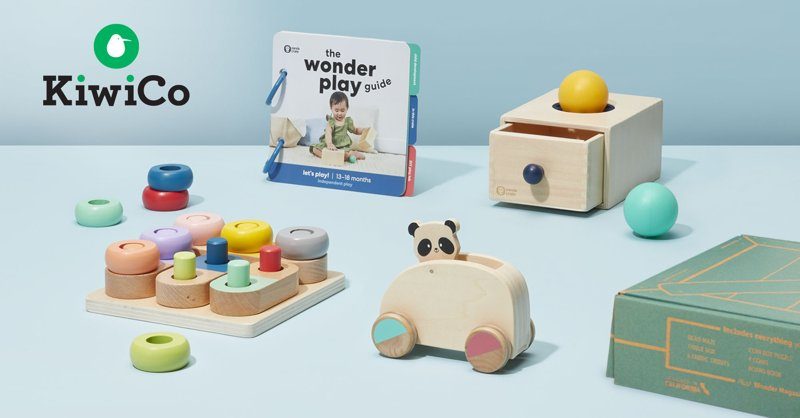 Image: KiwiCo
Panda Crate is KiwiCo's line for children from birth to 36 months. KiwiCo says crates arrive every 2 months with developmental toys matched to your child's age.
- ✓Matched to your child's age
- ✓Less frequent delivery means less clutter
- ✓From a well-known kids' subscription brand
- ✕Some toys may get less use than others
- ✕Ongoing cost adds up
- ✕Not every family needs a baby toy subscription
KiwiCo Koala Crate
Koala Crate is KiwiCo's monthly box for ages 3 to 6. Each crate centers on a theme with hands-on craft and early science projects, and the materials come included.
- ✓Everything you need is in the box
- ✓Projects are designed for preschool hands
- ✓Consumable crafts mean less long-term clutter
- ✕Projects can be finished quickly
- ✕Younger kids may need adult help
- ✕Monthly cost adds up
Little Passports Early Explorers
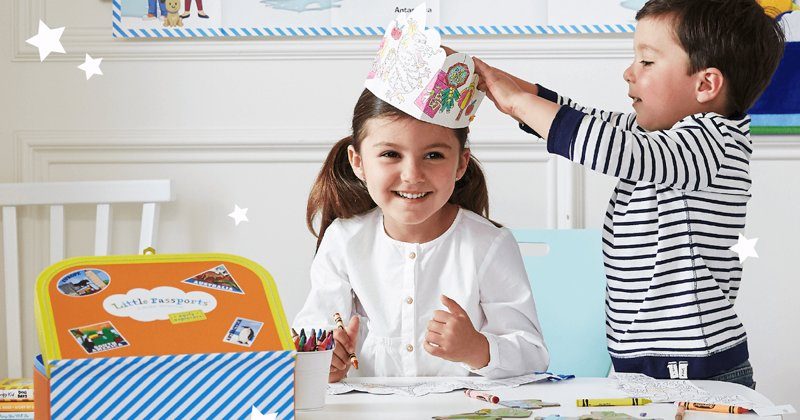 Image: Little Passports
Early Explorers is Little Passports' monthly line for ages 3 to 5. Each month focuses on a theme with activities and keepsakes that introduce kids to the wider world.
- ✓Introduces geography and culture early
- ✓Themed months keep it fresh
- ✓Good as a gift
- ✕More activity-book style than toy
- ✕Some months may land better than others
- ✕Needs a parent to read along
Little Passports Science Junior
Science Junior is Little Passports' monthly science line for ages 5 to 8, with hands-on experiments built around a theme. It's a natural next step once kids age out of preschool boxes.
- ✓Real experiments for young kids
- ✓Builds on the Early Explorers format
- ✓Monthly variety
- ✕Some experiments need an adult
- ✕Ongoing cost
- ✕Older end of our age range
More on audio players and learning tech: start with our guide to learning tablets for preschoolers, then Toniebox 2 Review: Audio, Setup and Content Costs and Yoto Player (3rd Gen) Review: Cards, Battery and Night Light.
Also useful: our holiday gift guide by age.
Part of our Toys & Learning section. Our main guide covers toys for babies and toddlers.
FAQ
Are kids' subscription boxes worth it? They can be if you value convenience and age-matched activities. If you're on a tight budget, buying a few open-ended toys may give more play per dollar.
Can I pause or cancel? Most services allow it, but terms vary. Check each company's site before you subscribe and set a reminder before renewal.
Which is best for a 1-year-old? Lovevery Play Kits and KiwiCo Panda Crate both cover this age.
Which is best for a 4-year-old? KiwiCo Koala Crate and Little Passports Early Explorers are both designed for preschoolers.
Can I buy a single box without subscribing? Many services sell individual kits or past boxes on their websites. Check availability.
What if my child is ahead of or behind the age range? Most services let you change your child's age setting. Look at upcoming boxes and pick what fits.
Are subscription boxes good gifts? Yes, especially prepaid ones. Confirm the end date and whether it renews automatically.
Do subscription boxes replace buying toys? For some families, mostly. Toy-based kits can cover much of a young child's toy needs during their subscription years. Project-based kits work better alongside a few favorite open-ended toys like blocks, magnetic tiles and art supplies.
How do I cancel? Most services let you cancel or pause from your account settings. Do it before the next billing date, and save the confirmation email.
Buying guide: choosing a kids' subscription box
1. Toys vs. projects
Toy-based kits (Lovevery, Panda Crate) send durable toys you keep, so they cost more and add to your toy storage. Project-based kits (Koala Crate, Little Passports) send crafts and experiments that are often used once. They cost less, but there's less to keep.
2. Match the age, not just the label
Kids develop at different paces. Most services let you adjust the start age, so look at sample contents for the next few boxes.
3. Parent involvement
Younger kits need you to play along. Older kids' projects may still need adult help with reading or cutting.
4. Cost and commitment
Compare per-box pricing and prepay discounts. Check how renewals work, whether you can skip a box, and how to cancel before you sign up.
5. Gifting
Prepaid gift subscriptions are popular with grandparents. Check whether they renew automatically.
6. Storage and clutter
Toy-based subscriptions can quickly fill shelves. A toy rotation (putting some away and swapping them every few weeks) keeps play fresh.
Tips to get the most from a subscription box
- Open it together and read the play guide first.
- Rotate toys rather than putting everything out at once.
- Save the boxes for crafts or for passing kits on to younger siblings.
- Set a calendar reminder before each renewal so you can skip or cancel if needed.
Which subscription is right for your child?
For babies and toddlers, Lovevery's stage-based Play Kits are the premium pick for quality toys and guidance, at a higher cost. KiwiCo's Panda Crate is a lower-cost alternative. For preschoolers who love making things, KiwiCo's Koala Crate delivers monthly projects. For curious 3- to 5-year-olds, Little Passports Early Explorers introduces the world. Science Junior is a natural next step for ages 5 to 8.
Safety notes
- Small parts: Kits for older kids may contain small parts, which are a choking hazard under age 3. Keep older siblings' kits away from babies and toddlers.
- Magnets and batteries: Swallowed magnets and button batteries can cause serious injury. Check for these, and store them securely.
- Craft supplies: Supervise scissors, glue and paints, and follow age labels.
- Check for recalls at CPSC.gov/Recalls.
Related reviews
More in Toys & Learning

Fisher-Price Chatter Telephone Review: Pull-Along Since 1961
Fisher-Price Chatter Telephone review: the pull-along toy since 1961. Pretend talk, walking practice and value. Research-based, not tested.
IKEA FLISAT Table Review: Storage, Fit and Everyday Care
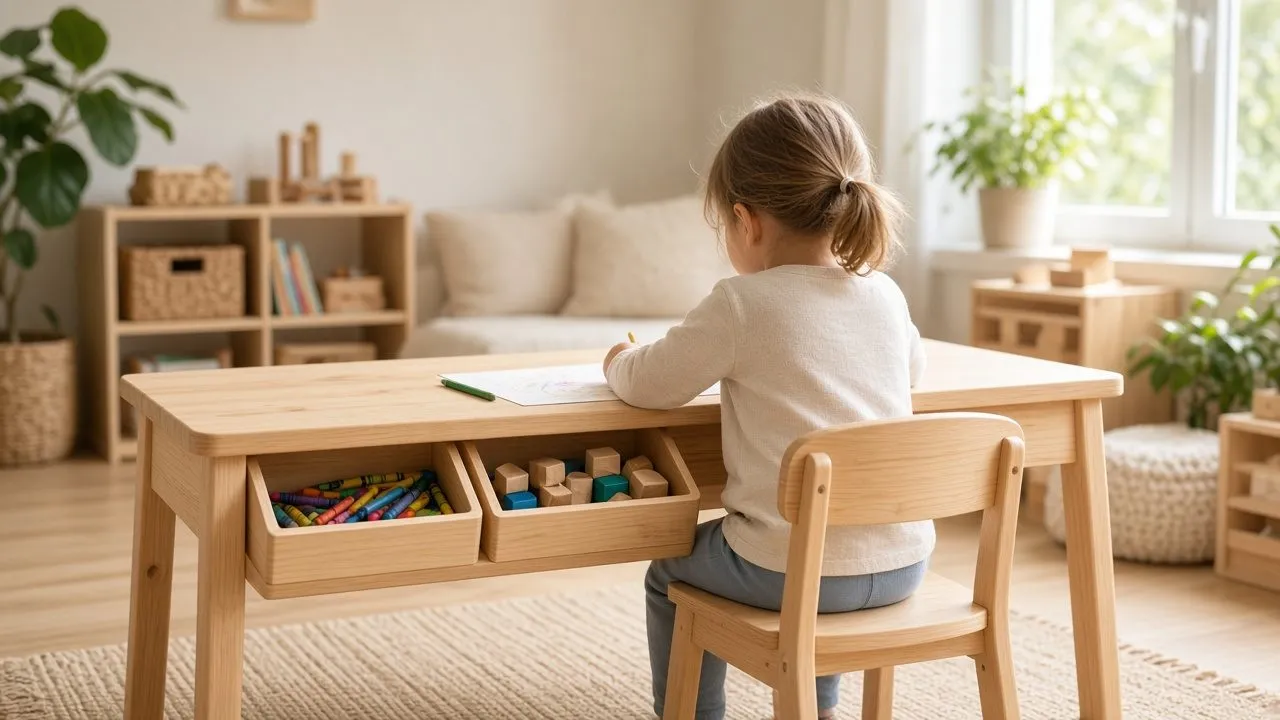
IKEA FLISAT table review: a kids play table with storage bins. Fit, height limits and everyday care tips. Research-based, not tested.
Best Push Walkers for Babies (Walk-Behind Toys)
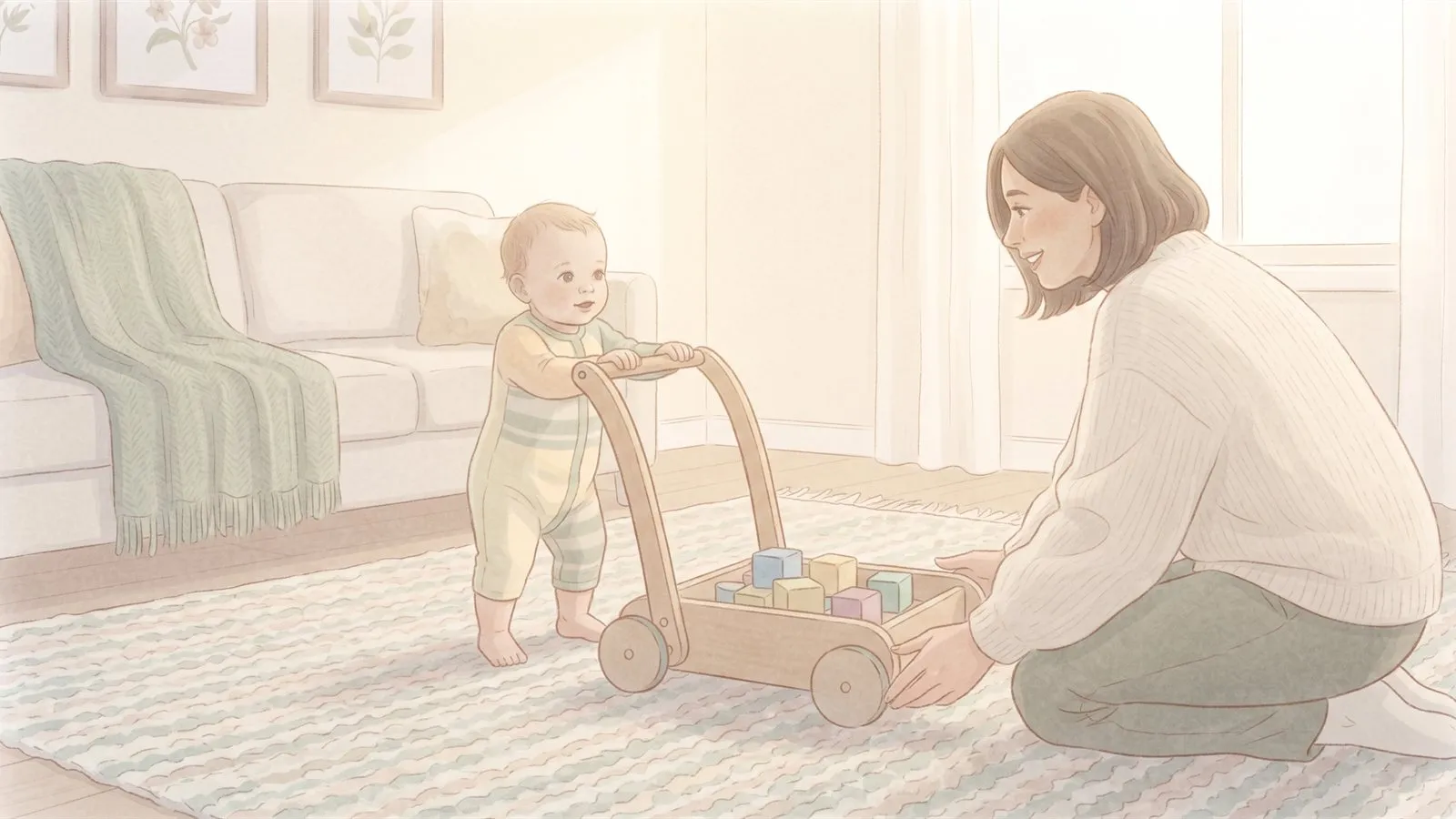
The best push walkers for babies, compared on speed control, tip resistance and ages, plus why the AAP warns against sit-in baby walkers…