
In this guide
- Quick picks
- What real owners say: the big takeaways
- How we picked
- Comparison table
- Feature-by-feature comparison
- Baby Brezza One Step Food Maker Deluxe
- BEABA Babycook Neo
- nutribullet Baby Steam + Blend
- Buying guide: how to choose a baby food maker
- Batch-cooking and storage tips
- Good first foods to steam and puree
- Which baby food maker is right for you?
- Cost: maker vs. store-bought
- Safety notes
- Related guides
- Our guides on starting solids
- FAQ
Reader-supported: we may earn a commission from links on this page. Full disclosure
Updated: November 2026 · Researched from manufacturer specs, safety standards and public buyer reviews.
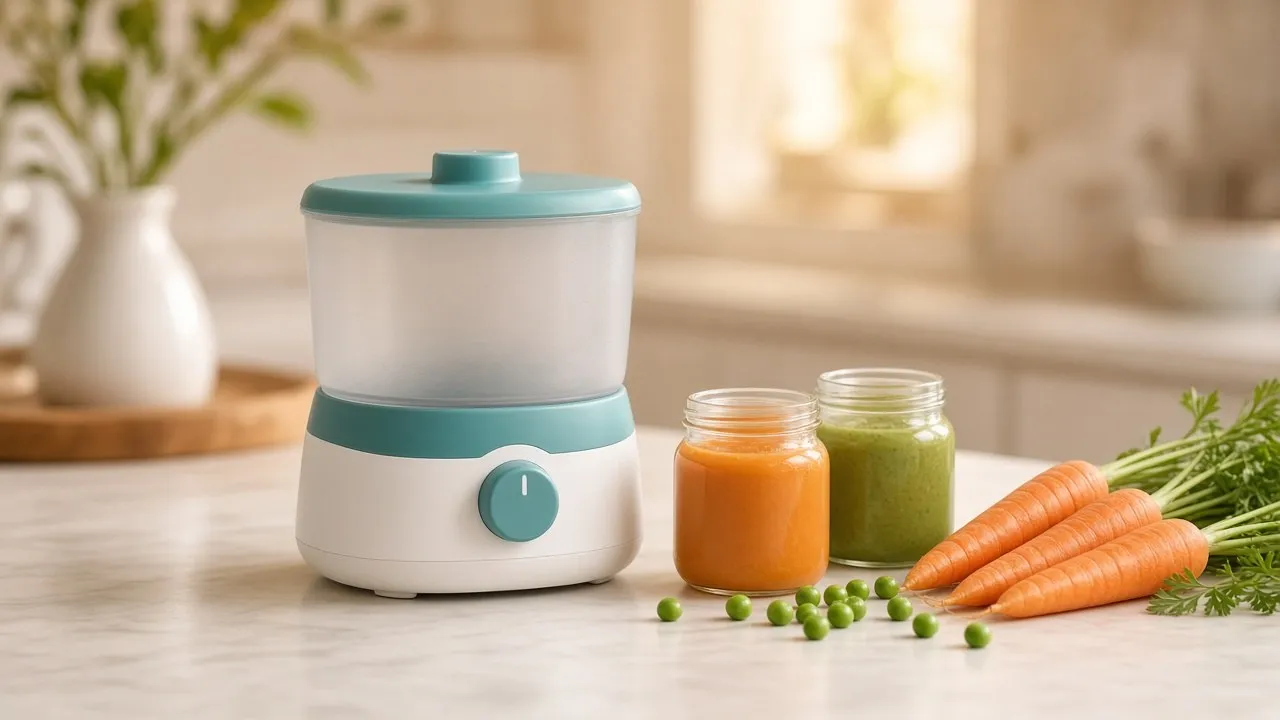
A baby food maker steams and blends in one machine, so you can make purees from fresh ingredients with less cleanup than a pot and a blender.
The main differences are capacity, materials (glass vs. plastic), how automated it is, and price.
Safety note: Steam and blades can cause burns and cuts. Keep machines out of reach of children and follow the manual. Check with your pediatrician about when to start solids and which textures suit your baby.
Quick picks
Baby Brezza One Step Food Maker Deluxe
BEABA Babycook Neo
nutribullet Baby Steam + Blend
What real owners say: the big takeaways
We read Amazon reviews, parenting forum threads and Reddit discussions. These patterns kept coming up:
- Automation saves time. Parents love one-button steam-and-blend.
- Cleaning is the deal-breaker. Hard-to-clean lids and reservoirs are a common complaint.
- Descale regularly. Mineral buildup is reported with hard water.
- Capacity matters for batch cooking. Larger bowls suit freeze-ahead parents.
- Many families stop using them after the puree stage. Consider whether a regular blender will do.
How we picked
We did not buy or test these products. Here is how we chose them:
- Started with what parents actually buy. We looked at best-selling, heavily reviewed options on Amazon.
- Compared capacity and materials. Glass vs. plastic bowls, per the makers.
- Read the listings closely. We noted materials, capacity and care instructions from manufacturer listings.
- Read the complaints, not just the praise. We looked for patterns about leaks, durability and cleaning.
- Covered different budgets and ages.
We'll update this guide as listings and owner feedback change.
What we weighed most. A baby food maker should make steaming and pureeing faster and less messy than a pot and a blender. We gave the most weight to the all-in-one steam-and-blend function, batch size (whether you can make a week's worth at once), the materials that touch food (glass, stainless steel or BPA-free plastic), and, according to owner reviews, how hard each machine is to clean and descale. After that came price, counter footprint and the extra modes some machines offer, such as defrost or reheat.
What we did not do. We did not cook with these machines or time their cycles. Capacity and material details come from maker listings. Where a spec isn't clearly published, we say "check listing".
How we score: SproutPicks Scores are our own editorial ratings, based on published specs, safety certifications and standards, and patterns across verified owner reviews. We don't hands-on test every product, and these scores are not Amazon ratings. Each score includes sub-scores for Safety, Value and Ease of Use.
Comparison table
| Maker | Capacity | Bowl material | Modes | Score |
|---|---|---|---|---|
| Baby Brezza One Step Food Maker Deluxe | Up to 3.5 cups | Plastic (BPA-free) | Steam + blend, steam only, blend only | 8.9/10 |
| BEABA Babycook Neo | Check listing for batch size | Glass bowl, stainless basket | Steam, blend, defrost, reheat | 8.7/10 |
| nutribullet Baby Steam + Blend | Check listing | Plastic (check listing) | Steam + blend, blend, pulse | 8.4/10 |
Feature-by-feature comparison
| Feature | Baby Brezza One Step Deluxe | BEABA Babycook Neo | nutribullet Baby Steam + Blend |
|---|---|---|---|
| Steam + blend in one bowl | Yes, automatic | Yes | Yes, automatic or manual |
| Batch size | Up to 3.5 cups | Check listing | Check listing |
| Food-contact materials | BPA-free plastic | Glass bowl, stainless basket and reservoir | Plastic (check listing) |
| Extra modes | Steam only, blend only | Defrost, reheat | Blend, pulse |
| Extras included | Reusable pouches, funnels | Check listing | Check listing |
| Main owner complaint | Cleaning the steam area, descaling | Price | Learning curve with water levels |
| Best for | Hands-off batch cooking | Families who want to avoid plastic | Value |
Baby Brezza One Step Food Maker Deluxe
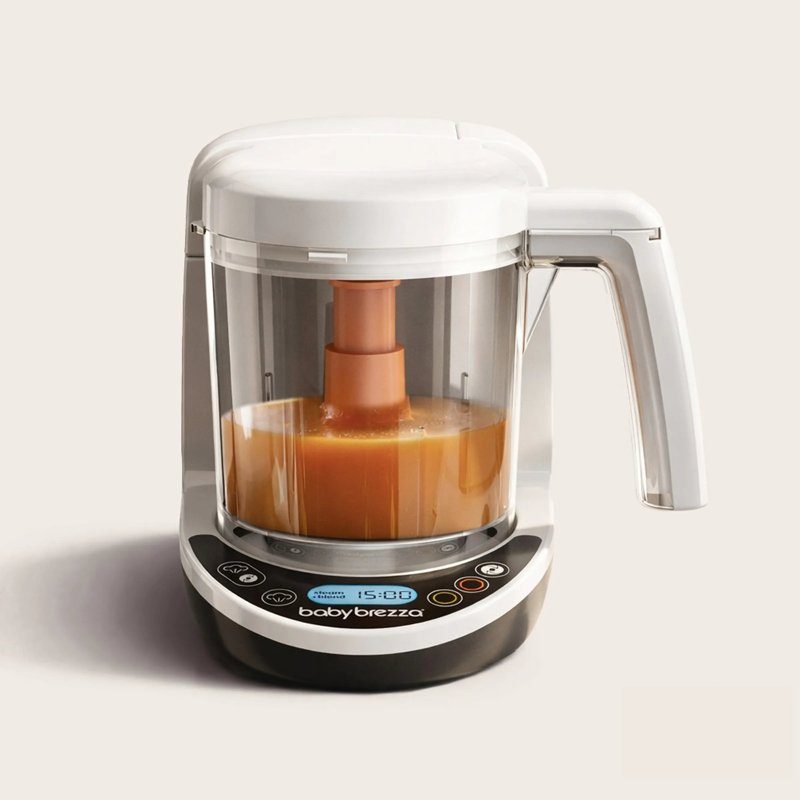 Image: Baby Brezza
The One Step Deluxe steams and blends automatically in one bowl, per Baby Brezza. It makes up to 3.5 cups and comes with reusable pouches and funnels, with dishwasher-safe parts.
- ✓True one-step steam and blend
- ✓Good batch size
- ✓Pouches included
- ✕Plastic bowl
- ✕Needs descaling
- ✕Takes counter space
BEABA Babycook Neo
The Babycook Neo uses a glass bowl and stainless steel basket and reservoir, according to BEABA. It steams, blends, defrosts and reheats.
- ✓Glass and stainless food contact parts
- ✓Four functions
- ✓Well-known brand
- ✕Expensive
- ✕Steam and blend are separate steps
- ✕Smaller batch than some
nutribullet Baby Steam + Blend
The nutribullet Baby Steam + Blend steams and blends in the same work bowl, with automated steam-and-blend and manual blend and pulse controls, per the listing.
- ✓Lower price
- ✓Steam and blend in one bowl
- ✓Pulse for chunkier textures
- ✕Fewer reviews than older brands
- ✕Plastic bowl
- ✕Check listing for capacity
Buying guide: how to choose a baby food maker
1. Do you need one at all?
You don't strictly need a baby food maker. A steamer basket and any blender or food processor can make purees. What a dedicated maker gives you is convenience: steaming and blending in one container, automatic shut-off, and fewer dishes. That matters most if you plan to make most of your baby's food at home for several months.
2. All-in-one vs. separate steamer and blender
All-in-one machines steam food and then blend it in the same bowl, often with one button. They save time and cleanup. Simpler blend-only devices are cheaper but need food to be cooked first.
3. Batch size
Small machines make roughly one or two days of food per cycle. Larger bowls (3 cups or more) let you batch-cook and freeze. If you work outside the home and prefer one big prep session a week, choose a larger capacity.
4. Materials
Some parents prefer glass bowls and stainless steel parts to reduce food contact with plastic. BPA-free plastic models are usually lighter and cheaper. Either way, check what touches the food and steam.
5. Cleaning and descaling
Steam machines build up mineral scale, especially with hard tap water. Owner reviews often mention descaling as a chore. Look for dishwasher-safe bowls and blades, a reservoir that's easy to reach, and clear descaling instructions. Using filtered or distilled water may reduce buildup; check what your maker recommends.
6. Texture control
As babies progress from smooth purees to thicker, lumpier textures, a pulse or manual blend option lets you leave food chunkier. That can extend the machine's usefulness into the toddler months.
7. Counter space and noise
These machines range from compact to blender-sized. Measure under your cabinets if the machine will live on the counter.
Batch-cooking and storage tips
- Wash and cut produce evenly so it steams in the same amount of time.
- Steam until fork-tender, then blend, adding a little of the steaming water, breast milk or formula to thin it if needed.
- Cool quickly. Portion purees into ice cube trays or small freezer containers and refrigerate or freeze promptly.
- Label and date everything you freeze.
- Thaw safely in the refrigerator, or use the machine's defrost mode if it has one. Don't leave purees out on the counter to thaw.
Good first foods to steam and puree
Parents often start with single-ingredient purees such as sweet potato, carrot, butternut squash, peas, apple, pear and green beans, then move to combinations. Introduce new foods one at a time, as your pediatrician advises, and talk to them about when and how to introduce common allergens.
Which baby food maker is right for you?
If you want the most hands-off batch cooking, the Baby Brezza One Step Deluxe steams and blends automatically with a large capacity, but plan on regular cleaning and descaling. If you prefer glass and stainless steel parts and want defrost and reheat modes, the BEABA Babycook Neo is the premium pick. If you're on a tighter budget, the nutribullet Baby Steam + Blend covers the essentials. Expect a few practice runs to get water levels right.
Cost: maker vs. store-bought
A baby food maker is an upfront cost, and produce prices vary, so the savings depend on how often you use it. Families who make most purees at home for several months usually get the most value. If you expect to rely mostly on pouches and jars, a simple steamer basket and the blender you already own may be enough.
Safety notes
- Start solids on your pediatrician's timeline. The American Academy of Pediatrics generally recommends starting solids around 6 months, when a baby shows signs of readiness.
- Watch for steam burns. Steam and the heating element can be very hot. Let the machine cool, and open lids away from your face.
- Test the temperature. Stir purees and check them before serving, especially reheated food, which can heat unevenly.
- Store food safely. Refrigerate fresh purees promptly and use them within a few days. Freeze for longer storage. Follow your pediatrician's or USDA/CDC guidance for specific times.
- Don't feed from the storage jar. Spoon out a serving rather than dipping straight into the batch, so saliva bacteria don't spread to the leftovers.
- Handle blades carefully when cleaning, and keep the machine and its cord out of reach of children.
- Check for recalls at CPSC.gov/Recalls.
Related guides
Our guides on starting solids
- Best Mesh and Silicone Teething Feeders (2026)
- Best Toddler Plates and Suction Bowls
- ezpz Happy Mat Review
- Copper Pearl Bandana Bibs Review: Cotton-Front Drool Bibs
- How to Start Solids: Purees vs Baby-Led Weaning
Part of our Feeding & Mealtime section. Our main guide covers high chairs.
FAQ
Do I need a baby food maker? No. A steamer basket and blender work too. A maker saves time and cleanup if you make purees often.
How long does homemade baby food keep? Follow your pediatrician's and USDA guidance. Many families refrigerate for a few days and freeze in portions.
Can I use frozen vegetables? Yes, many makers can steam frozen produce. Check the manual.
When should my baby start purees? Most babies start solids around 6 months. Ask your pediatrician.
Is homemade baby food healthier than store-bought? Both can be nutritious. Homemade food lets you control ingredients and texture, while store-bought pouches and jars are convenient and made under food-safety rules. Many families use both.
Can I steam meat or fish in a baby food maker? Many makers say their machines can steam proteins. Check the listing and manual for guidance, and make sure meat and fish are fully cooked before blending.
How do I descale a baby food maker? Follow the maker's instructions. Many use a diluted white vinegar or citric acid cycle, followed by several plain-water rinse cycles.
Will I use it after the puree stage? Some families keep using the steamer for toddler veggies or the blender for smoothies and sauces. Models with pulse or chunky-texture settings tend to stay useful longer.
What's the best way to freeze purees? Silicone ice cube trays with lids, or small freezer-safe containers, make portioning easy. Once frozen, many parents pop the cubes into labeled freezer bags.
Can I make toddler meals with a baby food maker? Yes, for many families. The steamer works for soft veggies and fruit for toddler finger foods, and pulse settings can leave a chunkier texture as your child's chewing skills grow.
More in Feeding & Mealtime
Best Formula Maker Machines (2026)
The best formula maker machines compared on accuracy, cleaning and price, plus CDC and WHO 70°C mixing advice, Cronobacter risk and the…
Best Reusable Snack Bags for Kids' Lunch (2026)
Best reusable snack bags for school lunches: Stasher silicone vs fabric zip bags, leak resistance, dishwasher care and what fits a lunch…
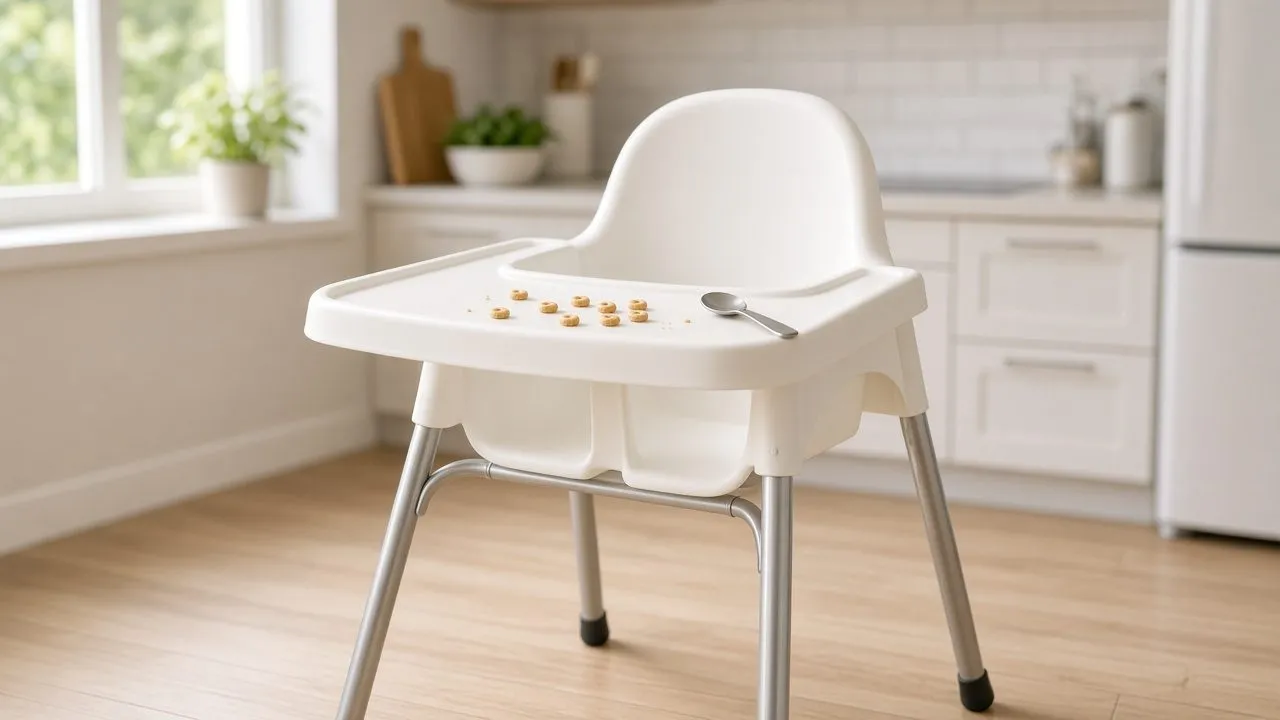
IKEA Antilop High Chair Review: The $25 Classic, Pros and Limits
IKEA Antilop high chair review: the $25 classic. Easy to clean, but no footrest or adjustability. Pros and limits. Research-based, not…