

In this guide
- Quick picks
- What real owners say: the big takeaways
- How we picked (we did not buy or test)
- Comparison table
- Feature-by-feature comparison
- Ergobaby Omni Breeze
- LÍLLÉbaby Complete All Seasons
- Tula Toddler Carrier
- Beco Toddler Carrier
- Safety note
- FAQ
- Buying guide: choosing a carrier for a toddler
- Tips for carrying a toddler comfortably
- Which carrier is right for your toddler?
- Safety notes
- Related reviews
Reader-supported: we may earn a commission from links on this page. Full disclosure
Updated: November 2026 · Researched from manufacturer specs, safety standards and public buyer reviews.
Carrying a toddler is very different from carrying a newborn. A 25-pound child who wants up and down every few minutes needs a carrier with real waist support, a wide seat and an easy back carry. Some carriers grow with your baby from the newborn days, and others are sized just for toddlers.
Here are four structured carriers that can handle toddler weights.
Quick picks
Ergobaby Omni Breeze
- Weight range (per listing)
- 7–45 lb
LÍLLÉbaby Complete All Seasons
- Weight range (per listing)
- 7–45 lb
Tula Toddler Carrier
- Weight range (per listing)
- 25–60 lb
Beco Toddler Carrier
- Weight range (per listing)
- 20–60 lb
What real owners say: the big takeaways
- Back carry is the key toddler position. Parents say carrying a toddler on the back is far more comfortable than front carry once kids get heavy.
- Waist belts carry the weight. Reviewers praise padded lumbar support and complain most about carriers that put the strain on the shoulders.
- Toddler-sized carriers fit better as kids grow. Owners of 2- and 3-year-olds say a wider, taller panel gives proper knee-to-knee support.
- Getting a toddler on your back takes practice. Many parents say their first back carries were awkward.
How we picked (we did not buy or test)
We did not buy or test these carriers. We compared manufacturer listings and instruction manuals (weight ranges, carry positions, waist belt fit) and read patterns across public buyer reviews. We included two carriers that grow from the newborn stage and two sized for toddlers.
What we weighed most. Toddlers are heavy, so a toddler carrier lives or dies on support. We gave the most weight to the weight range (especially the upper limit), panel height and width (whether the carrier gives a bigger child knee-to-knee support and back support), the carry positions offered (back carry is often the most comfortable for toddlers), and adult comfort, based on padded waist belts, lumbar support and the adjustment range reported by owners. After that came breathability, ease of putting the carrier on solo, fabric options and price.
Standards and sources. Soft infant and toddler carriers sold in the US must meet a mandatory CPSC safety standard. Weight ranges and positions come from maker listings. We did not wear these carriers ourselves.
How we score: SproutPicks Scores are our own editorial ratings, based on published specs, safety certifications and standards, and patterns across verified owner reviews. We don't hands-on test every product, and these scores are not Amazon ratings. Each score includes sub-scores for Safety, Value and Ease of Use.
Comparison table
| Carrier | Weight range (per listing) | Carry positions | Notable features | Score |
|---|---|---|---|---|
| Ergobaby Omni Breeze | 7–45 lb (about 0–48 months) | Front-inward, front-outward, hip, back | SoftFlex mesh, lumbar support, waist belt fits 25.5–55.25 in, UPF hood | 9.2/10 |
| LÍLLÉbaby Complete All Seasons | 7–45 lb | 6 positions, including inward, outward, hip and back | Zip-down mesh panel for airflow, lumbar support | 8.9/10 |
| Tula Toddler Carrier | 25–60 lb | Front and back | Wider, taller panel sized for toddlers | 8.6/10 |
| Beco Toddler Carrier | 20–60 lb | Front and back | Extra-wide seat, cotton or 3D mesh versions | 8.3/10 |
Feature-by-feature comparison
| Feature | Ergobaby Omni Breeze | LÍLLÉbaby Complete All Seasons | Tula Toddler | Beco Toddler |
|---|---|---|---|---|
| Weight range | 7–45 lb | 7–45 lb | 25–60 lb | 20–60 lb |
| Positions | 4 (front in/out, hip, back) | 6 | Front, back | Front, back |
| Panel | Standard, adjustable | Standard, adjustable | Wider, taller toddler panel | Extra-wide seat |
| Breathability | SoftFlex mesh | Zip-down mesh panel | Check listing | Cotton or 3D mesh versions |
| Main owner complaint | Panel small for tall toddlers | Straps take time to adjust | Large for smaller parents | Less shoulder padding |
| Best for | Baby to toddler in one carrier | Most positions | Big toddlers and preschoolers | Value toddler carrier |
Ergobaby Omni Breeze
According to the listing, the Omni Breeze fits babies from 7 to 45 lb (about 0–48 months) without an infant insert. It offers four carry positions: front-inward, front-outward, hip and back. It's made of breathable SoftFlex mesh, has padded lumbar support and shoulder straps that can be crossed, and its waist belt fits 25.5 to 55.25 inches. The manual lists a minimum of about 17.2 lb for hip and back carry, and outward-facing carry tops out around 30 lb.
Pros - One carrier from birth to toddler - All four main carry positions - Breathable mesh for warm weather
Cons - The panel can feel short for tall toddlers near the upper limit - Many straps and buckles to learn
LÍLLÉbaby Complete All Seasons
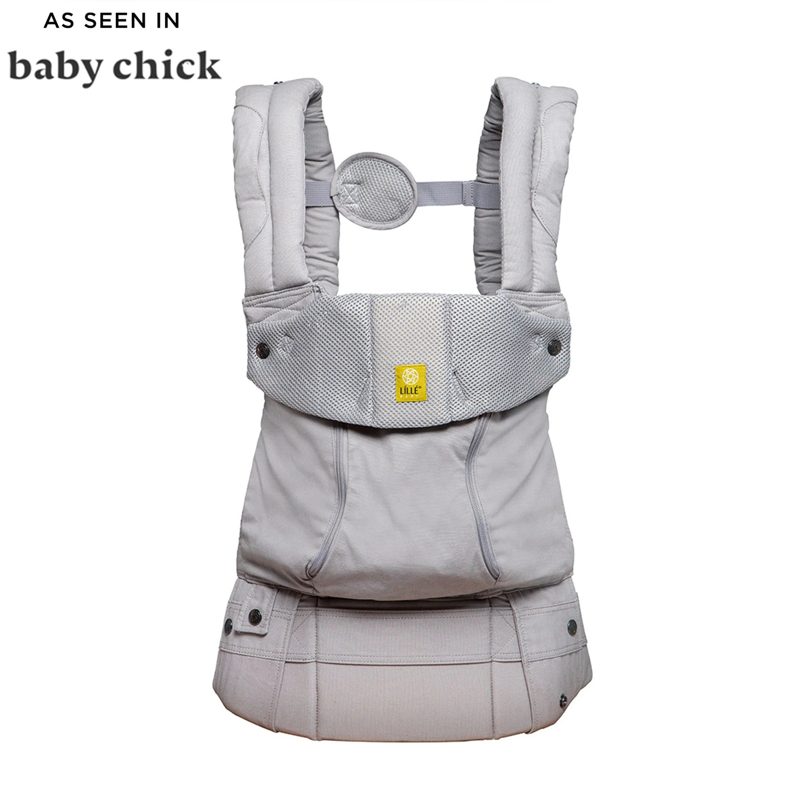 Image: LÍLLÉbaby
The Complete All Seasons is listed for 7 to 45 lb and offers six positions, including inward and outward front carry, hip carry and back carry. It has lumbar support for long wear, and a zip-down panel opens to mesh for better airflow in warmer weather.
Pros - Six carry positions - Lumbar support for heavier toddlers - Zip-down mesh panel for airflow
Cons - Many adjustments to learn - Bulkier than toddler-only carriers
Tula Toddler Carrier
The Tula Toddler is sized for children from 25 to 60 lb and offers front and back carry. Its body panel is wider and taller than a standard carrier, which gives bigger kids better seat and back support. It comes in many prints.
Pros - Sized specifically for toddlers - High weight limit - Simple design with fewer adjustments
Cons - Not for babies under 25 lb - No outward-facing or hip carry
Beco Toddler Carrier
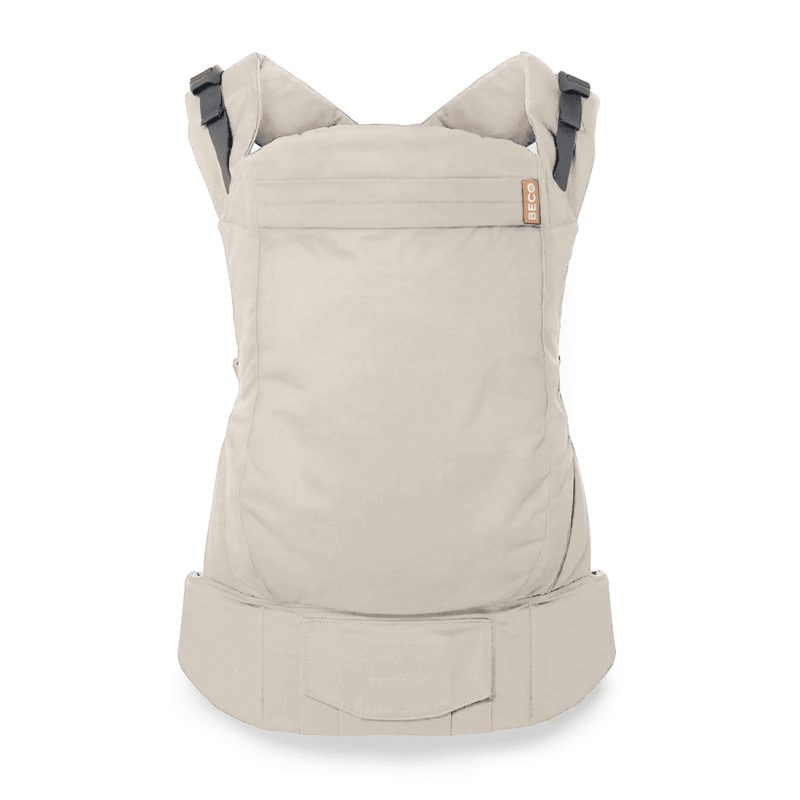 Image: Beco
The Beco Toddler is listed for children from 20 to 60 lb and offers front and back carry. It has an extra-wide seat for knee-to-knee support and comes in cotton or breathable 3D mesh versions.
Pros - Extra-wide seat for bigger kids - Starts at 20 lb, a little lower than some toddler carriers - Mesh version for warm weather
Cons - Front and back carry only - Some listings give the age range differently (about 18 or 24 to 48 months), so check the version you choose
Safety note
Follow your carrier's manual for weight minimums and the right age for each position. Keep your child's face visible and their airway clear, and bend at the knees, not the waist. Check that buckles are fastened every time. For back carry, practice over a bed or with a spotter until you're confident.
More on baby carriers and wraps: start with our guide to carriers and wraps, then Best Hip Seat Carriers (2026) and Ergobaby vs Tula: Which Baby Carrier Is Better?.
FAQ
Can I use a newborn carrier for a toddler? Many carriers go up to 45 lb, but tall toddlers may outgrow the panel before they reach the weight limit. Toddler-sized carriers fit 2–4-year-olds better.
Is back carry safe for toddlers? Yes, when you follow the manual's minimums (often around 6 months or a set weight) and buckle everything securely.
What weight should I look for? For kids 2 and up, a carrier rated to 45 lb or more gives you room to grow. Toddler carriers go up to 60 lb.
What age is too old for a baby carrier? There's no fixed age. It depends on the carrier's weight limit. Toddler carriers often go up to 60 lb, which can cover many preschoolers.
Is it bad for my back to carry a toddler? A well-fitted carrier with a padded hip belt spreads weight better than carrying a toddler on one hip. Take breaks, and talk to a healthcare provider if you have back problems.
Front or back carry for a 2-year-old? Many parents find back carry more comfortable for toddlers, and it lets the child see more. Front carry is easier to put on quickly and makes it easier to check on them.
Can toddlers nap in a carrier? Yes. Many carriers include a hood to support a sleeping child's head. Keep their airway clear and check on them often.
Buying guide: choosing a carrier for a toddler
1. All-in-one or toddler-specific?
All-in-one carriers (newborn to about 45 lb) mean you buy one carrier, but the panel may feel short once your toddler is tall. Toddler carriers (from about 20–25 lb up to 60 lb) have wider, taller panels for better support of older kids, but they don't fit infants.
2. Panel size and seat
Look for a seat that supports your child from knee to knee, with their hips in a deep "M" position (knees above bottom). Hip-health organizations recommend this position. The panel should reach about your child's armpits for support.
3. Back carry
Many parents find back carry most comfortable for heavier toddlers, because the weight sits closer to your center of gravity. Practice putting it on over a bed or with a spotter until you're confident.
4. Waist belt and lumbar support
A wide, padded waist belt carries most of a toddler's weight on your hips rather than your shoulders. Check that the belt fits your waist range.
5. Breathability
Mesh panels help in warm weather and on hikes. Cotton is warmer and softer, which suits cooler climates.
6. Ease of use
Buckles, adjustable straps and a hood for naps vary by model. If two caregivers with different sizes will share the carrier, check the strap adjustment ranges.
7. Hiking frame carriers
For long trail hikes with older toddlers, a framed hiking backpack carrier may be more comfortable than a soft carrier. These are a separate category.
Tips for carrying a toddler comfortably
- Tighten everything. A snug fit keeps your toddler's weight close to your body and reduces strain.
- Belt on your hips, not your waist, for heavy toddlers.
- Take breaks. Toddlers are often happiest walking part of the way and riding when tired.
- Adjust for each wearer. If two caregivers share the carrier, re-adjust the straps each time.
- Dress for two. Carrying creates body heat, so dress your toddler a layer lighter than you'd expect.
Which carrier is right for your toddler?
If you want one carrier from infancy through toddlerhood, the Ergobaby Omni Breeze offers breathable mesh, four positions and up to 45 lb, though tall toddlers may outgrow the panel. The LÍLLÉbaby Complete All Seasons offers six positions with a zip-down mesh panel. For bigger toddlers and preschoolers, the Tula Toddler's taller, wider panel carries up to 60 lb, but it may feel large for smaller parents. For a lower-cost toddler-specific option, the Beco Toddler has an extra-wide seat and mesh or cotton versions.
Safety notes
- Follow the weight and age limits in the manual, including any limits for back carry and outward-facing positions.
- Keep your child visible and close. Keep their face and airway clear, and their chin off their chest. Babywearing safety guidance often uses the "TICKS" checklist (Tight, In view at all times, Close enough to kiss, Keep chin off chest, Supported back).
- Hip-healthy positioning. Support from knee to knee, with knees higher than the bottom.
- Be careful bending over. Bend at the knees, not the waist, and support your child with one hand.
- No hot drinks, cooking or running while wearing your child.
- Inspect the carrier for worn straps, buckles or seams before each use, and check recalls at CPSC.gov/Recalls.
Related reviews
- Best Travel Strollers for Toddlers
- Best Portable High Chairs & Booster Seats for Toddlers
- Best Baby Monitors
More in Carriers & Baby Gear
Best Baby Gear of 2026: Our Top Picks in Every Category
The best baby gear of 2026 in one list: our top car seat, stroller, carrier, bassinet, monitor, pump, bottle, high chair, tub and toy,…
Best Baby Play Mats and Activity Gyms (2026)
Best baby play mats and activity gyms for 2026: five picks compared on age, size, care and price, plus AAP tummy time minutes and play gym…

Best Hiking Baby Carriers (2026)
The best hiking baby carriers from Osprey, Deuter, Thule and Kelty compared on weight, limits, storage and shade, plus the minimum age and…